

Image credit: Tourism and Events Queensland
Queensland’s natural and cultural assets have long been central to its appeal. From the Great Barrier Reef and ancient rainforests to World Heritage-listed sites and millennia-old living cultures, these treasures continue to attract visitors from across Australia and around the world.
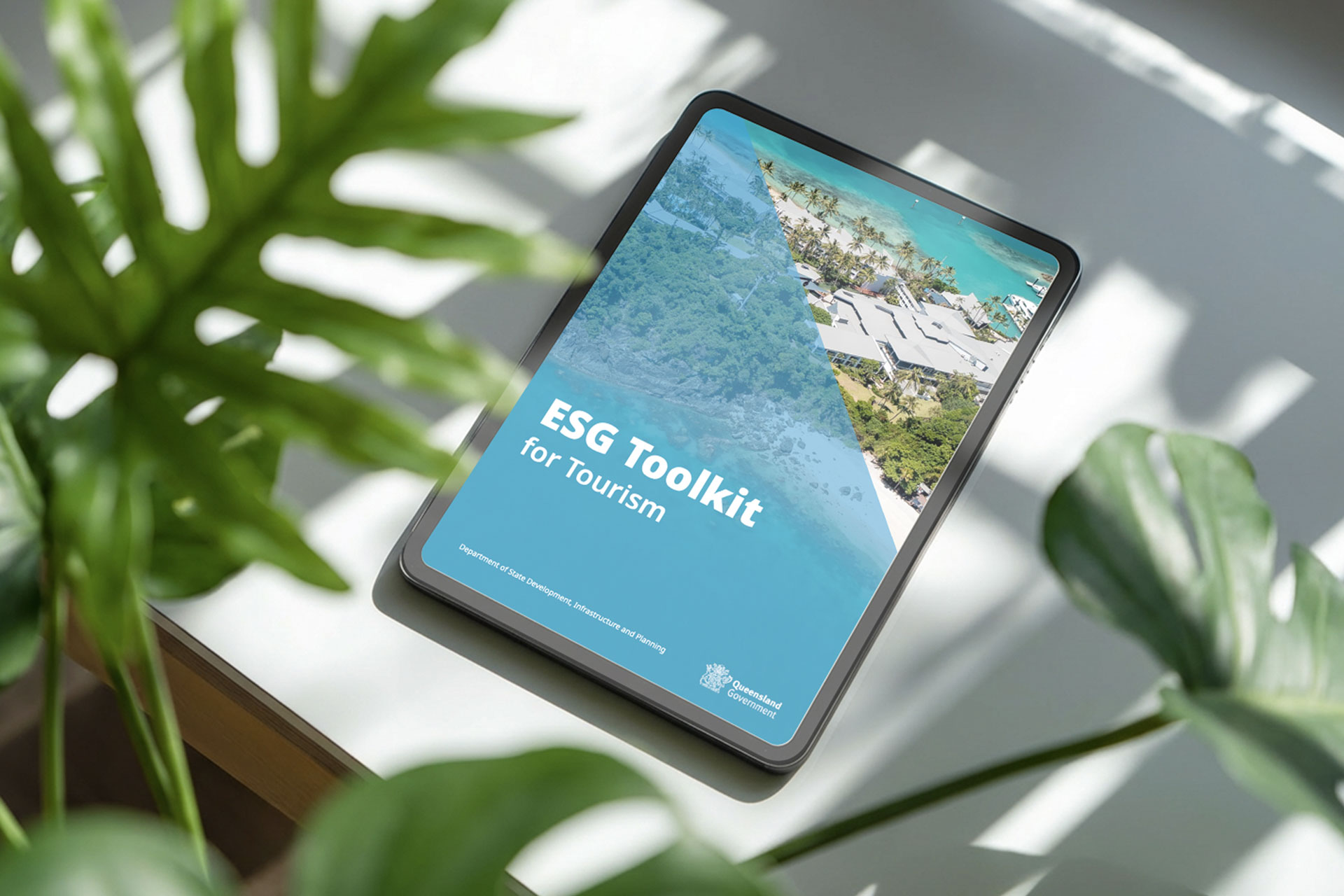
The state’s new tourism strategy, Destination 2045: Delivering Queensland’s Tourism Future, builds on this legacy. It places sustainability and ecotourism at the centre of Queensland’s long-term growth agenda, not only as a way to protect and share what makes the state unique, but to drive future economic growth, regional development and global competitiveness.
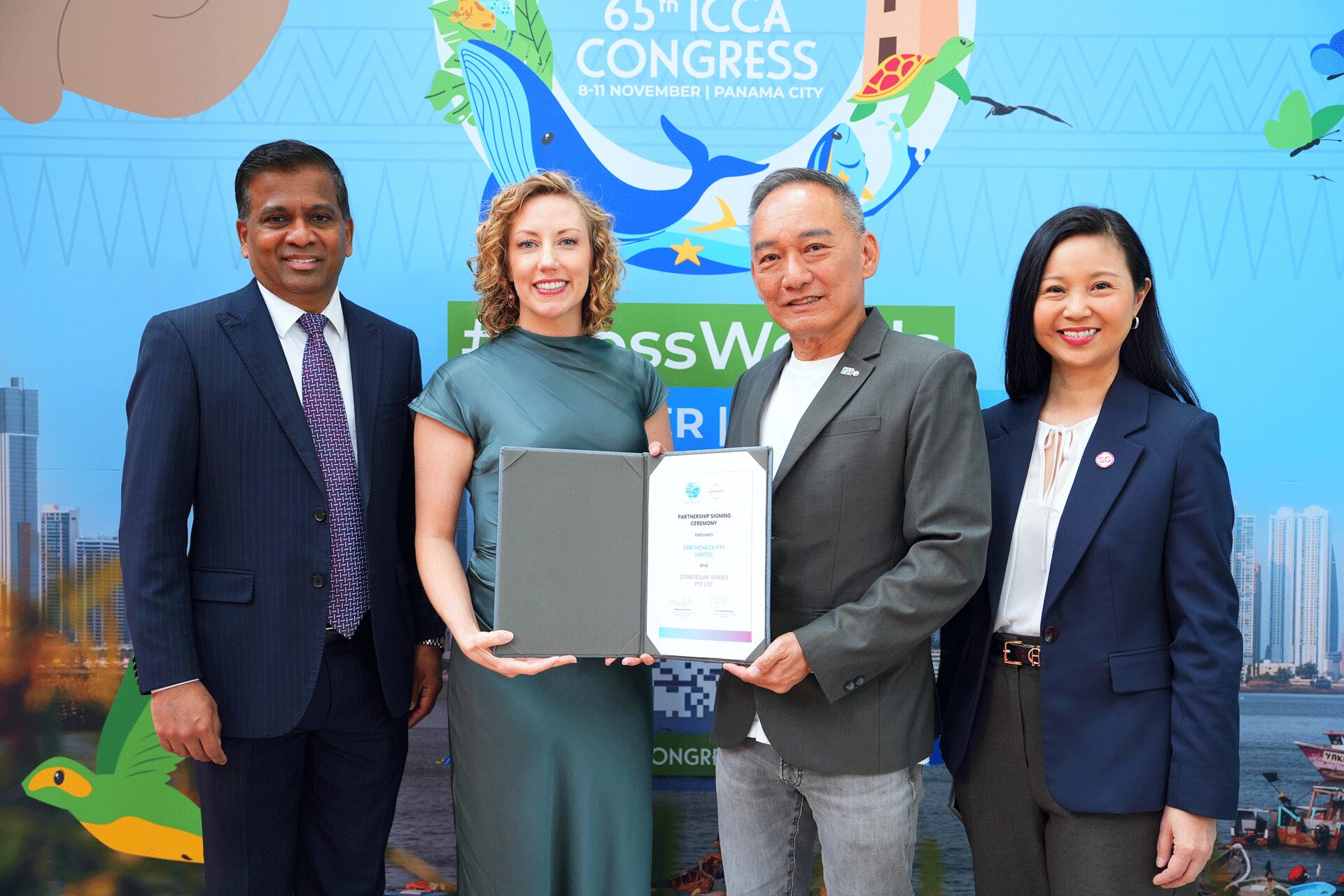
As the Founder and CEO of EarthCheck, the world’s leading scientific benchmarking, certification and advisory group for sustainable tourism, Stewart Moore has been involved in shaping tourism strategies worldwide.
Drawing on that experience, he says Destination 2045 is “a welcome and necessary step forward” – but, he cautions, “its impact will come down to how the tourism industry chooses to get behind it and put its ideas into practice.”
A strong foundation
Tourism is a cornerstone of Queensland’s economy, contributing more than $32 billion in gross value added, supporting over 150,000 direct jobs and encompassing more than 65,000 businesses, most of them small enterprises.
Crucially, over $21 billion in visitor activity takes place outside the capital city of Brisbane, highlighting the importance of regional tourism to the state’s economic and social fabric. Visitors currently spend $115 million a day in Queensland, and forecasts suggest that annual visitor expenditure could reach $84 billion by 2045.
Destination 2045 builds on these foundations with a clear focus on sustainable growth. Its ‘45 by 45’ target, a commitment to deliver 45 world-class ecotourism experiences by 2045, reflects a long-term vision for the future.
These experiences are intended to be immersive, conservation-focused and high-quality, enriching the connection between people and place while supporting the environments and communities that host them.
Tourism Tropical North Queensland, led by CEO Mark Olsen, has been at the forefront of sustainable tourism, offering lessons that can inform Queensland’s broader ambitions.
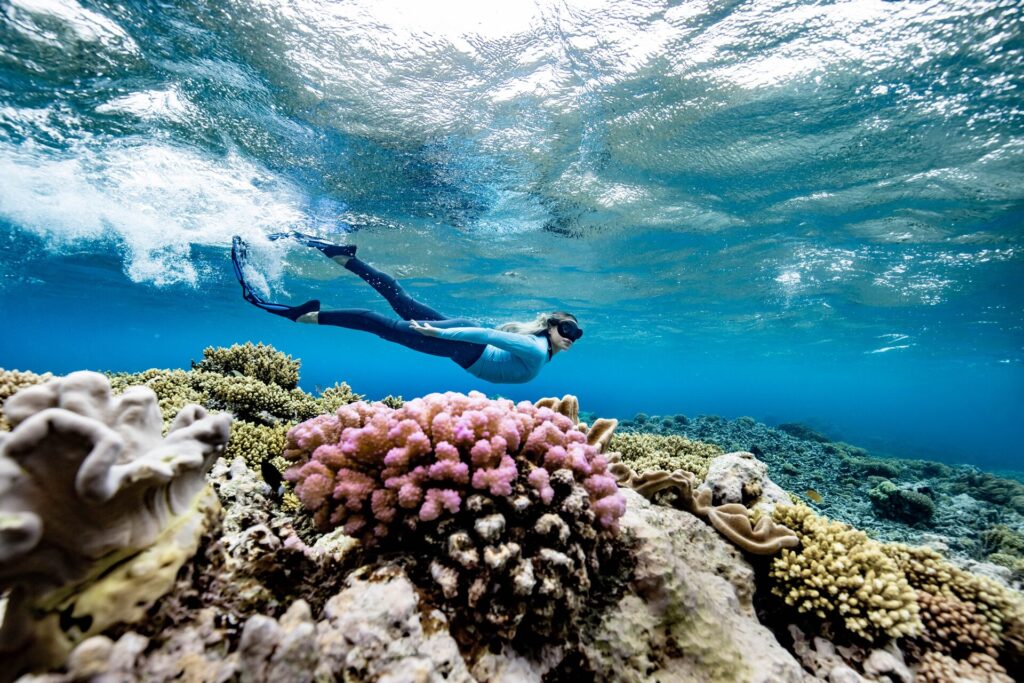
Image Credit: Tourism Tropical North Queensland
“The expectations of consumers around sustainable travel are increasing every year,” Olsen says. “They don’t just want to hear about sustainability. They want to see it in action, and they want it to be connected to their trip.
“For example, a visitor to the Great Barrier Reef wants to know that their operator is accredited by a reputable body to a global standard. But what really engages them is learning that every visitor levy goes directly into conservation projects, and discovering more about those initiatives.
“When we share stories about programs supported by the industry, from monitoring and removing crown-of-thorns starfish to reef restoration and seagrass regeneration, that’s when they truly connect.
“From a state perspective, the lessons from the Great Barrier Reef need to be applied more broadly to our terrestrial national parks and cultural sites, in partnership with Traditional Owners and conservation partners.”
Olsen says the strategy presents an opportunity to differentiate Queensland through regenerative tourism.
“The quality of our World Heritage Areas has always been a competitive advantage, but with more sites around the world now recognised, we need to continue to stand out,” he says.
“Regenerative tourism, where visitors are directly involved in restoring or preserving natural and cultural sites, is one way to achieve that.”
Centred on Country

Image Credit: Tourism Tropical North Queensland
The strategy positions First Nations tourism as central to Queensland’s identity and future. It recognises that Queensland is home to two of the world’s oldest continuing cultures, and that authentic cultural experiences are key to the state’s appeal on the global stage.
Destination 2045 commits to supporting First Nations-led ecotourism ventures that honour cultural heritage, share traditional knowledge and deepen visitor appreciation of Country. This includes dedicated funding for business development and training for Traditional Owner groups, as well as the creation of clear pathways for new products owned and operated by Aboriginal and Torres Strait Islander peoples.
Moore emphasises that the demand for authentic, respectful cultural experiences must be met with care. “None of this will happen by accident,” he says. “It will require government and industry to engage in a way that is respectful, equitable and consistent; not extractive or tokenistic. It will also require clear frameworks to ensure that benefits flow to communities in meaningful ways.”
He adds that building capability across the sector will be critical if those ambitions are to succeed. “Lifting capability at this scale,” he says, “across thousands of businesses and regions, will take coordination, investment and sustained effort.”
Turning vision into action
While the strategy represents a bold and forward-looking vision for Queensland tourism, Moore emphasises that ambition alone will not be enough.
“For this strategy to succeed, and I’m confident it can, we need science-backed systems that turn bold visions and good intentions into measurable results,” he says.
Certification and benchmarking provide a credible way for operators to demonstrate their sustainability performance. Aligned with global standards, these tools give businesses the ability to track progress, build capability, and show customers that they are delivering on their commitments.
They also support regions and governments to monitor environmental, social and cultural outcomes in a consistent way. Olsen stresses that credibility will be essential if Queensland is to achieve its ambition.
“There is no doubt that customers, particularly corporations seeking to reduce reputational risk in their purchasing of travel products, want the assurance that comes from certification,” he says. “In my view, the minimum standard should be third-party verified certification. Self-assessment, or assessment by the staff of an accreditation body, doesn’t cut it.
“Benchmarking then takes this further, giving businesses valuable insights into where they can improve and motivating them to lift performance beyond minimum standards.”
Independent onsite audits sit at the heart of EarthCheck certification, providing the credibility that customers and partners now demand. Benchmarking is built into the process, helping businesses see how they compare with peers and where the biggest gains can be made.
“As Queensland moves to raise the bar on ecotourism performance, these systems and supports will be vital in helping operators stay aligned, attract funding and deliver outcomes that matter,” Moore says.
A legacy worth building
In tourism, timing is everything. The lead-up to the Brisbane 2032 Olympic and Paralympic Games – the so-called “green and gold runway” – represents a rare alignment of investment, attention and political will.
The Games are forecast to deliver a $4.6 billion uplift in tourism and trade for Queensland, making the case for bold, forward-looking action even stronger. The decisions made now will shape how Queensland is perceived for decades to come – and Olsen stresses that measurement will be vital to securing that legacy.
“The adage goes, you can’t manage what you don’t measure,” he says. “Without aspirational targets that are tracked regularly, strategies lose relevance. If state-wide targets are adopted regionally and broken down by market, partners across the industry will drive results, and those who deliver should be rewarded with the grants and funding needed to transform the industry.”
For Moore, the Games provide a platform to show how sustainable tourism can be scaled at a state-wide level. “With the right systems, standards and partnerships in place, Queensland can set a global benchmark for sustainable tourism,” he says.
“At EarthCheck, we stand ready to support that effort and help Queensland deliver on its promise.”