
Tourism and Events Queensland (TEQ) has been working to improve its environmental and social performance for more than 15 years. As Queensland’s lead agency for tourism marketing, destination development and events, TEQ began its journey by collecting sustainability-related data in partnership with EarthCheck and implementing internal initiatives to reduce its impact.
These early efforts laid the foundation for a more formal approach. In 2017, TEQ made a strategic decision to deepen its commitment by adopting a structured, third-party framework and pursuing certification through EarthCheck – a globally recognised sustainability program designed specifically for the tourism industry. EarthCheck provides science-based benchmarking and certification to help organisations improve their environmental, social and economic outcomes.
In 2022, Tourism and Events Queensland (TEQ) achieved EarthCheck Gold Certification – a milestone that recognised five consecutive years of commitment to sustainability through EarthCheck’s internationally recognised framework. This achievement reflects a deep integration of sustainability into TEQ’s business strategy and organisational culture.
As the first destination marketing organisation in Australia to reach this level, TEQ is helping to set a benchmark for the industry. With Platinum certification on the horizon next year, their journey offers valuable insights for other DMOs looking to embed sustainability into the way they lead, operate and measure impact.
Here’s how they got there – and what other DMOs can take away from their experience.
Work with what you have
TEQ’s sustainability journey started with simple steps that ultimately led to great impact. They started by collecting and reviewing environmental data internally. Over time, this gave the team greater visibility over their impacts and built confidence in their systems. When the opportunity arose to formalise these efforts through certification, they weren’t starting from scratch – they already had the groundwork in place.
“We had the foundation,” says Amanda Zaryc, TEQ’s EarthCheck Coordinator. “Certification gave us the structure and motivation to bring it all together and keep improving.”
Takeaway for DMOs: If you’re already collecting environmental data or running sustainability initiatives, you’re likely further along than you think. EarthCheck provides the framework to align, measure and scale your efforts.
Build internal champions early
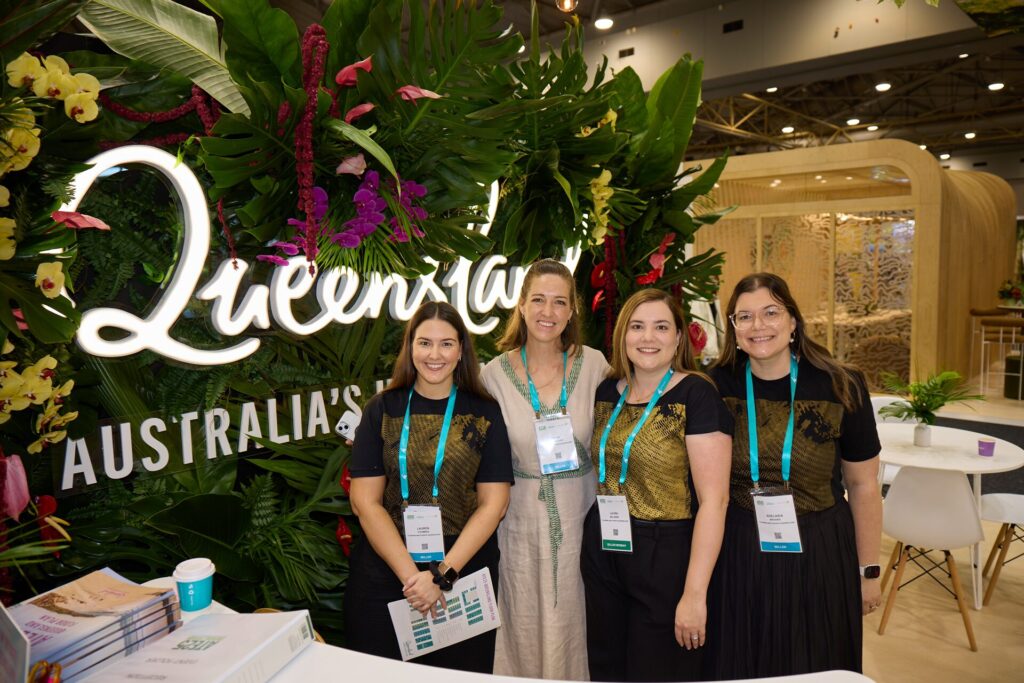
TEQ’s Green Team was the catalyst for change within the organisation. It started with just a few people – staff who cared and were willing to take action. They initiated visible projects like recycling drives, tree planting, and fundraising. These early efforts built momentum and encouraged broader participation.
Leadership support came over time. A turning point was the creation of a visual Sustainability Roadmap, which helped internal stakeholders – from staff to board members – see the value and direction of TEQ’s sustainability efforts.
“The roadmap helped us move from ideas to action,” says Brendan Power, CPA at TEQ. “It showed that sustainability wasn’t just an add-on, it was central to how we operate.”
Takeaway for DMOs: You don’t need a large team or big budget to get started. What you do need is visible action and champions within your organisation who can engage others.
Integrate sustainability into policy and process
TEQ’s success wasn’t built on isolated projects – it came from integration. Sustainability was incorporated into staff induction, formalised through policy, and positioned as a shared responsibility across the organisation.
New systems were introduced to measure waste, energy and travel behaviours, including a “Bin Tracker” tool to enable automatic data collection. Procurement policies were updated to support sustainability goals, from hybrid fleet vehicles to low-carbon gifts.
“We knew that for this to stick, sustainability had to be embedded in our everyday work,” says Zaryc, “not something led by just one team or project.”
Takeaway for DMOs: Sustainability becomes easier to manage when it’s part of onboarding, reporting and operational policy. Certification helps formalise and embed this.
Make it measurable and visible
TEQ expanded its tracking to include areas like staff travel habits, volunteering hours and emissions offsets. These metrics weren’t just numbers – they became stories the team could share to demonstrate progress.
Internally, staff were engaged through newsletters, quizzes and learning sessions. Externally, TEQ shared its journey with Queensland’s Regional Tourism Organisations (RTOs), encouraging others to get involved.
Takeaway for DMOs: Tracking progress is vital – but sharing the story is what makes it stick. Certification helps you do both.
Govern sustainability like any other risk or opportunity
Sustainability was formally integrated into TEQ’s Audit and Risk Committee, elevating it from a departmental initiative to a strategic organisational priority. This aligned with emerging ESG (Environmental, Social, Governance) reporting expectations and helped future-proof the organisation.
Takeaway for DMOs: Embedding sustainability in your governance structure ensures long-term traction and protects against leadership or structural changes.
What TEQ gained from EarthCheck certification

TEQ’s work with EarthCheck delivered more than just a stamp of approval. It provided a credible, science-based framework to align efforts, clear KPIs and tools to track impact, stronger internal engagement, and greater trust from stakeholders and the public.
Perhaps most importantly, it gave TEQ a structured pathway for continual improvement – reinforcing the idea that sustainability is an ongoing commitment. As EarthCheck CEO Stewart Moore says, “the road to sustainability doesn’t have a destination – it’s a journey.”
Final lessons for DMOs
TEQ’s journey offers a clear message: certification doesn’t require perfection from the outset, but it does require structure, persistence and passion. Here are five lessons that other DMOs can take forward:
- Build on what you’ve got: If you’re already collecting sustainability data or running small initiatives, you’re further ahead than you think. The right framework can help you align, scale and formalise your efforts.
- Start small, but visible: You don’t need a big team or budget to begin. Early action from passionate staff can spark momentum and engage others across the organisation.
- Embed sustainability in your systems: Certification works best when sustainability is built into everyday processes – from staff inductions to procurement and reporting.
- Track progress and tell the story: Data helps you improve; storytelling helps others understand why it matters. Certification supports both.
- Treat sustainability as a strategic priority: When sustainability is governed like any other risk or opportunity, it earns the visibility and accountability it needs to endure.
TEQ’s story shows what’s possible when sustainability is backed by structure, leadership and long-term commitment. For destination management organisations looking to do the same, EarthCheck Certified offers the tools, guidance and credibility to help you turn good intentions into lasting impact. Learn more today.