
By Dr Steve Newman, Chief Sustainability Officer, EarthCheck
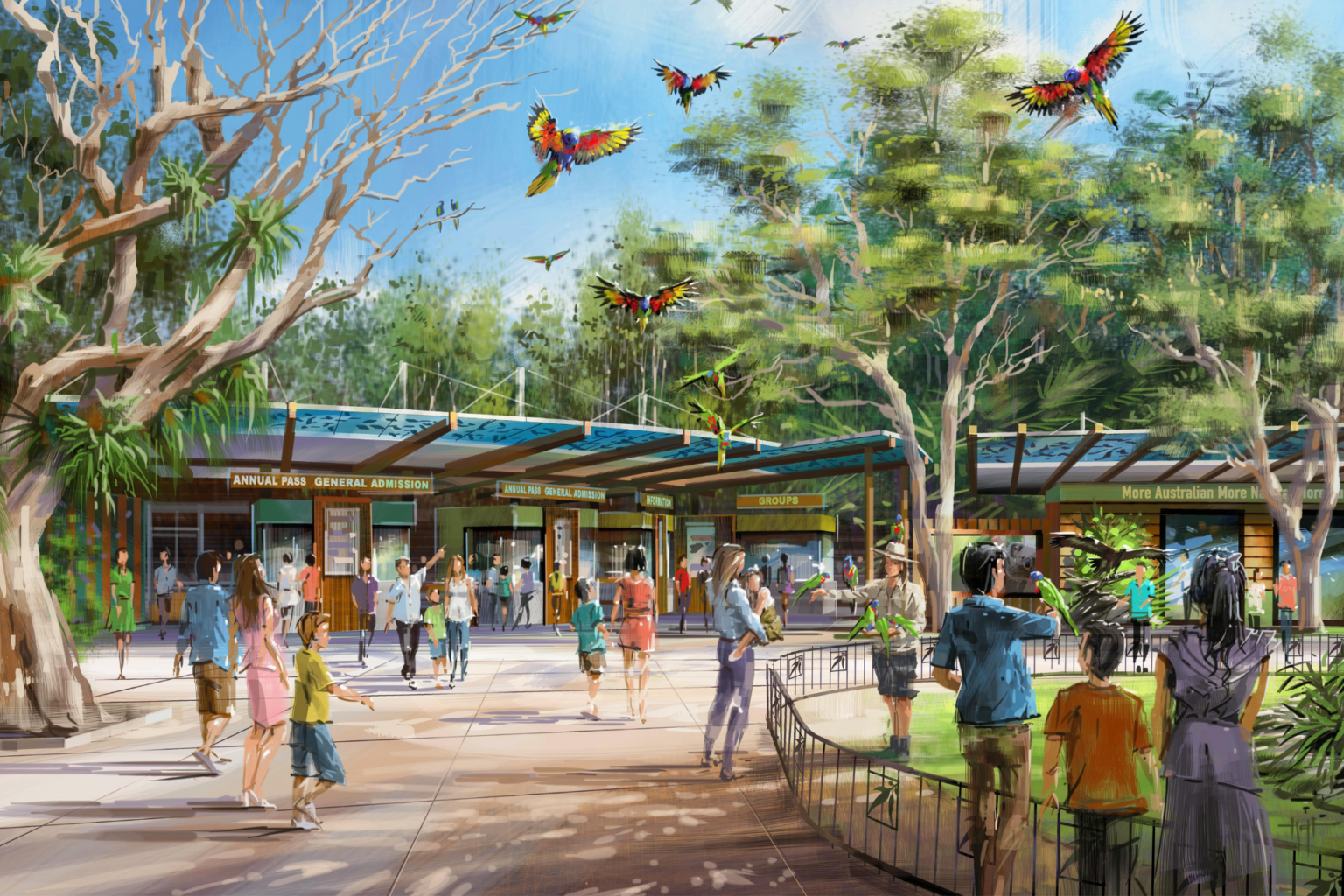
Pico Play’s work is built to be noticed. The Gold Coast-based company designs and fabricates the sculptures and facades that give theme parks, water parks and immersive destinations their character.
Increasingly, its clients are also asking about the parts of that work guests don’t see.
Across the global attractions industry, sustainability is becoming a more prominent consideration in major projects, with developers and operators incorporating increasingly detailed requirements into tenders and project specifications.
These requirements are extending beyond broad sustainability commitments to include specific expectations around environmental performance, responsible sourcing and ethical business practices. Suppliers are increasingly being asked to demonstrate compliance with these standards, supported by credible data and clear plans for improvement.
“The change we saw was really from ‘Do you have a sustainability approach?’ to ‘Can you demonstrate it, measure it and provide evidence?’” says Darren McLean, Executive Director of Pico Play.
Since it was established in 2016, Pico Play has grown into a global business with more than 500 employees across seven countries and 21 nationalities. Part of Pico Group, it delivers projects from planning and design through to fabrication and operations, with dedicated fabrication facilities in Malaysia, Vietnam and Saudi Arabia.
The company had already established a strong foundation of responsible business practices, supported by a leadership team committed to doing the right thing.
“We’ve always taken CSR seriously, but we knew we could do more,” Darren says. “We saw a real opportunity within our industry to lift the bar on sustainability, and as clients began asking more questions through tenders, it felt like the right time to take a more formal and authentic approach.”
That’s where EarthCheck came in.
“EarthCheck felt like the right fit because they bring strong sustainability expertise and really understand the tourism, leisure and attractions sectors we operate in,” Darren says.
“Their scientific benchmarking and evidence-based approach gave us a credible way to understand where we are today and where we want to go.”
Behind the scenery
Pico Play didn’t want a corporate sustainability document that sat on a shelf. It needed to understand where sustainability was relevant to the way it designs, procures, fabricates and delivers projects, while aligning with Pico Group’s broader direction and reporting requirements.
Rather than moving immediately into strategy development, we agreed that the most valuable starting point would be a scoping, gap and readiness assessment.
Our team examined Pico Play’s existing policies and processes, looking at how sustainability considerations were reflected in its operations and management systems. We also reviewed its governance arrangements and available data to gauge the company’s readiness for a formal strategy.
What emerged was a business already doing a great deal right.
Pico Play had well-established health and safety programs, inductions, training and workforce development, supported by ISO frameworks. It had well-established community initiatives that reflected a commitment to social responsibility, and its procurement processes and supplier relationships offered a starting point for understanding the sustainability implications of project delivery.
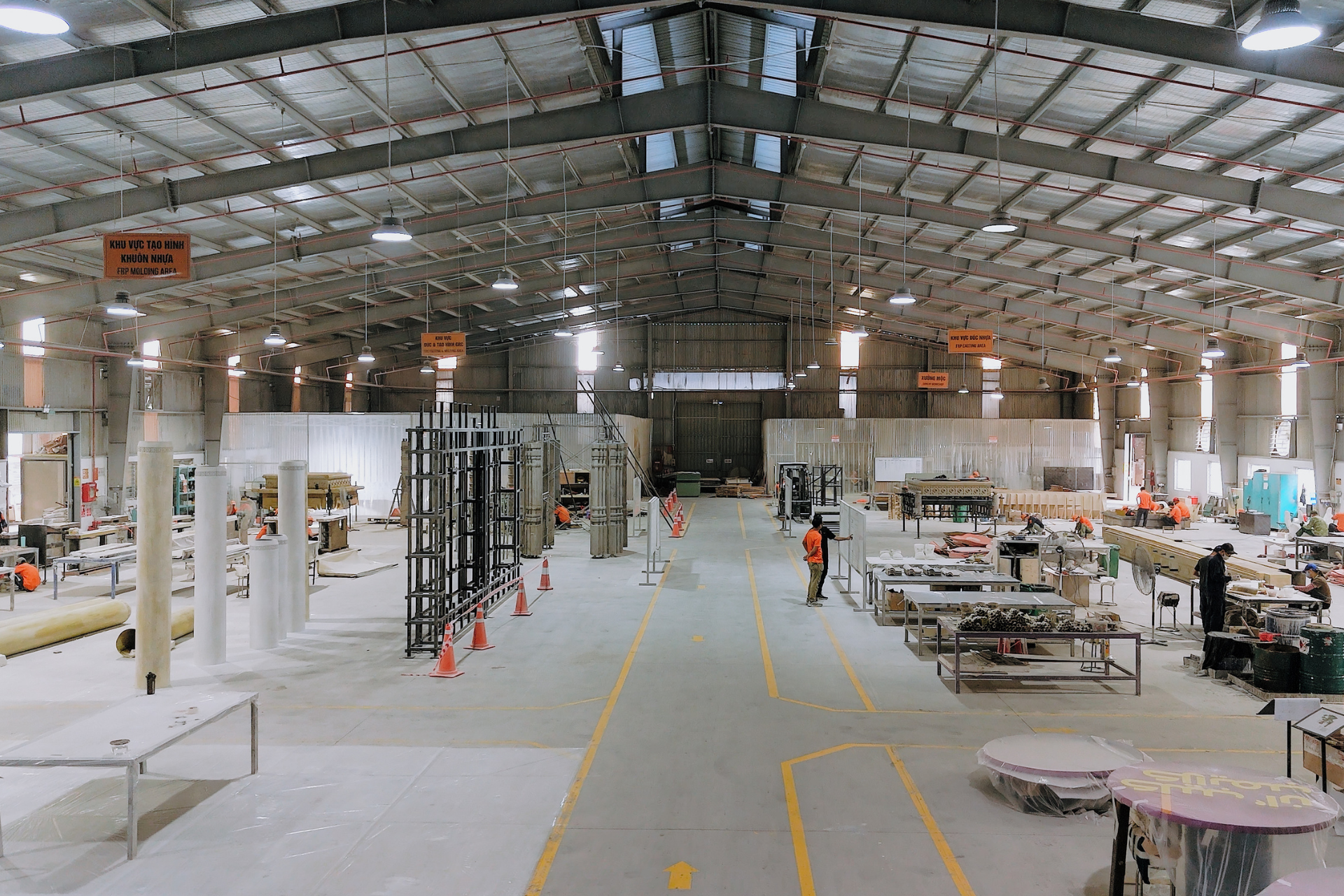
Other strengths were built into how the company works. For example, Pico Play fabricates many of its themed elements off-site in controlled factory environments. This approach provides greater control over production processes and creates opportunities to manage materials and resources more efficiently.
“What surprised us was how much we were already doing well without necessarily calling it sustainability,” Darren says.
“The assessment helped us look at the way Pico Play designs and builds attractions through a sustainability lens, recognise the good practices already embedded in our business, and identify where we can become more structured and measurable.”
It shifted the question from “What sustainability activities do we have?” to “How do we bring these together into a coherent approach that supports the future of the business?”
The bigger picture
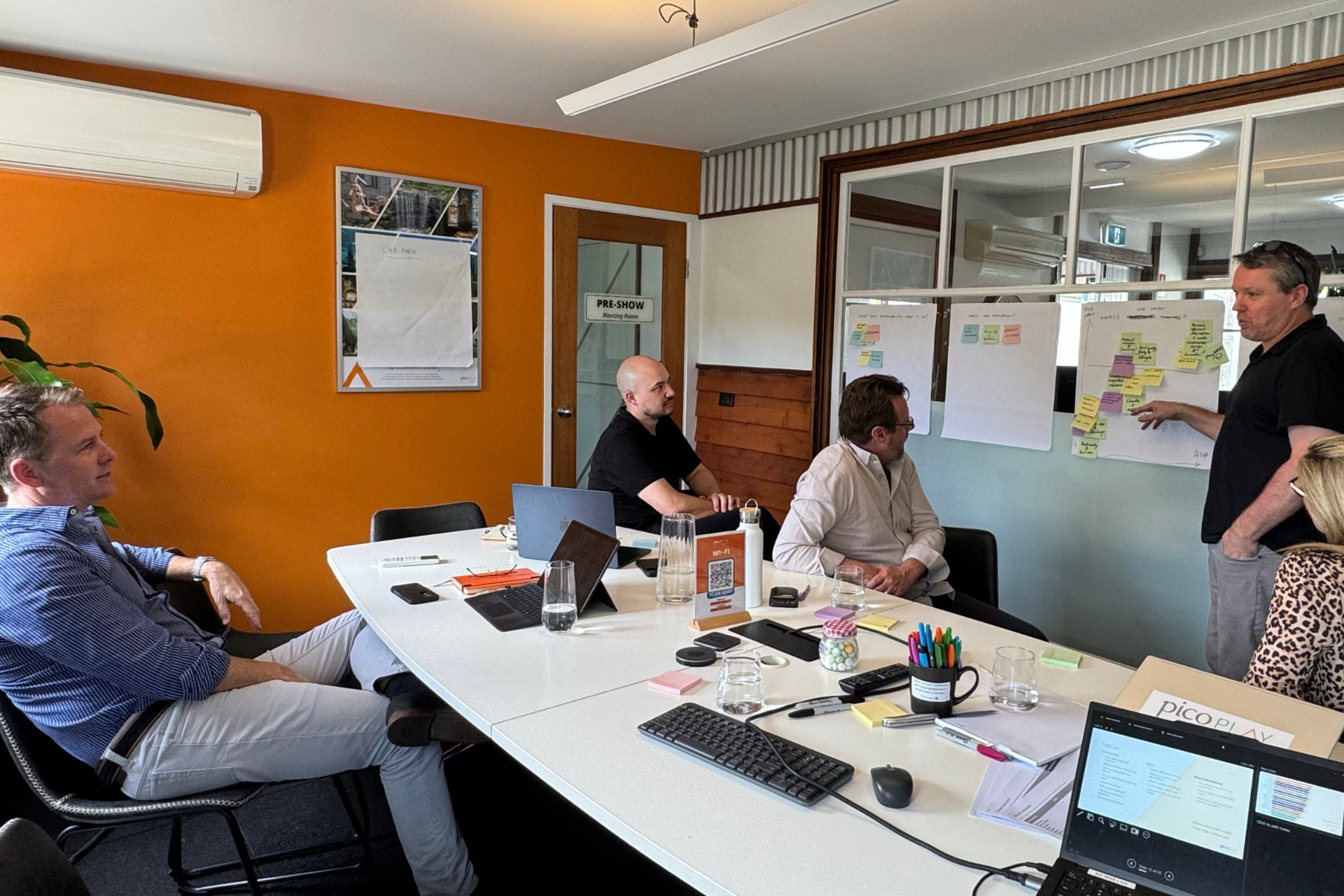
The next step was to agree on a shared vision. We facilitated a vision and ambition workshop with Pico Play’s leadership team to explore what sustainability should mean for the organisation.
We worked through four questions: where is the business today, where does it want to be, how far does it want to go, and what does that ambition mean in practice for its environmental, social and governance priorities?
“The biggest value was getting everyone around the table and hearing different perspectives from across the business,” Darren says.
“It helped us move sustainability from being a broad idea to something that feels relevant to Pico Play, our people and the way we actually design and deliver projects.”
Throughout the workshop, the leadership team linked sustainability to long-term value, resilience and future-proofing the business. Resource efficiency and responsible project delivery featured strongly, along with staff loyalty, strategic advantage, industry leadership and how Pico Play is perceived externally.
The discussions helped establish an emerging strategic direction centred on creating lasting value through lower-impact attractions, empowered people and trusted delivery.
That direction draws on Pico Play’s existing strengths in creativity, fabrication, quality and delivery, so the eventual strategy will be part of the business’s operations, instead of a separate program sitting alongside them.
Involving leadership at this stage also builds the ownership needed to carry a strategy forward. Sustainability decisions affect investment and operational priorities, so they need backing from the people who set those priorities.
Making the business case
Sustainability has to make commercial sense for Pico Play, and that framing was built into the project from the start.
The most immediate connection is tender readiness. With different clients and markets asking for different evidence, a credible strategy gives Pico Play a consistent way to answer, supporting existing client relationships and positioning it for new work.
Materials and fabrication sit at the centre of Pico Play’s project delivery, so a clearer picture of how resources are used is a direct route to greater efficiency and less waste. Better visibility of its supply chain also means better procurement decisions, and risks spotted earlier.
The company’s creative and technical capabilities offer another opportunity. As attraction operators place greater emphasis on sustainability, the design and delivery of lower-impact experiences can become an increasingly valuable part of Pico Play’s offering.
“In our industry, there’s a real opportunity to rethink how attractions and theming are designed, fabricated and delivered,” Darren says.
Then there are its people. Pico Play relies on creative, technical and fabrication skills, so investments in workforce development, safety and retention feed directly into the quality of its projects.
A focused sustainability strategy also helps leadership decide what to prioritise, where resources can deliver the greatest value and how progress should be measured.
Measure twice, cut once
The work undertaken with Pico Play has established a clearer understanding of the company’s sustainability position and an emerging vision for where it wants to go.
The next stage is to translate that direction into a formal strategy supported by credible evidence and measurable objectives.
This will involve further validating and prioritising the sustainability issues most relevant to Pico Play, its stakeholders and its markets, and establishing reliable baseline data.
It’s common for organisations to set targets first and try to build the evidence underneath them afterwards. But without a credible baseline, there’s no way to tell whether a target is achievable, or to measure progress against it.
That’s why we focus on understanding current performance before setting goals. Once Pico Play has identified its priorities and strengthened its underlying data, it can develop measurable targets and an implementation roadmap. This will establish governance arrangements, KPIs and clear responsibilities for putting the strategy into practice across the organisation.
Each stage builds on the evidence and understanding developed through the previous one, helping ensure the resulting strategy reflects the realities of the business.
Playing the long game
Pico Play’s experience so far offers a model for organisations considering how to formalise their approach to sustainability.
It started with what it was already doing well, took its cue from what clients were asking for, and had its leadership team involved from the outset.
EarthCheck CEO and Founder Stewart Moore says businesses like Pico Play have a bigger role to play than many people realise.
“Attractions are often the reason people visit a destination, so the businesses that design and build them have real influence over its environmental and social footprint,” he says. “Pico Play is doing this in the right order: understanding where it stands, agreeing on what it wants to achieve, and building the evidence before it sets targets.”
Darren says working with EarthCheck has given the business a clear starting point.
“They’ve helped us identify our gaps and opportunities and build the foundations for a sustainability strategy that is authentic, measurable and meaningful to our clients,” he says.
It’s a strategy being built the way Pico Play builds everything else: carefully, and to last.
EarthCheck works with organisations across industries to develop sustainability strategies grounded in evidence and aligned with their business objectives. Through readiness assessments, strategic planning and specialist advisory services, we help businesses identify their priorities and establish practical pathways towards measurable improvement.
Learn how EarthCheck can help turn your organisation’s sustainability intentions into a focused, measurable strategy.