
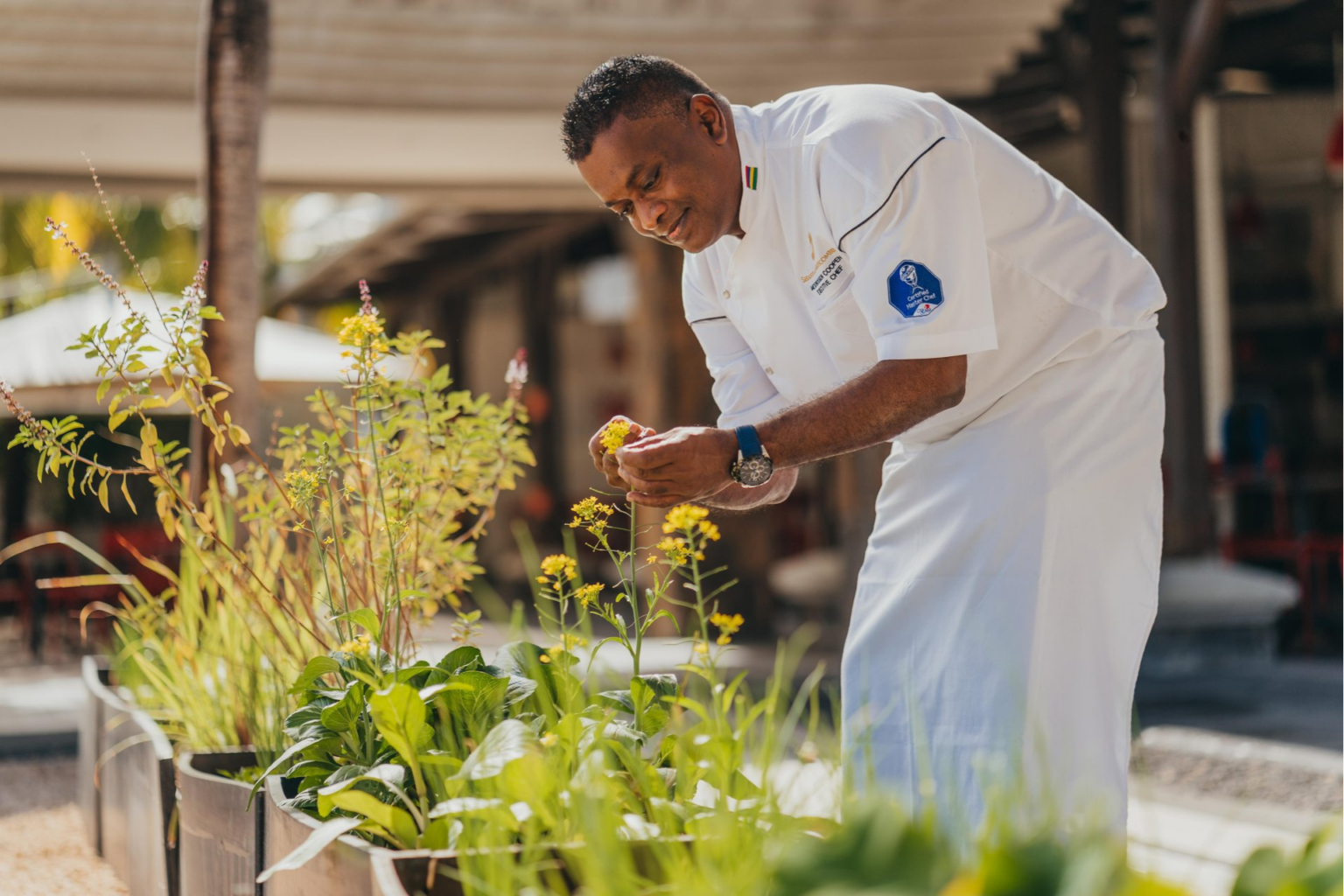
Image Credit: All rights reserved – Beachcomber Resorts & Hotels or © Beachcomber Resorts & Hotels.
By Dr Steve Newman, Chief Sustainability Officer, EarthCheck
Ask Stéphane Poupinel de Valencé what sustainability means to Beachcomber Resorts & Hotels, and he won’t begin with investor expectations, regulatory pressure or reporting obligations.
He’ll tell you about his island.
For Stéphane, the appeal of Mauritius lies as much in its cultural richness and the warmth of its people as in its beaches and landscapes. Born and raised in Mauritius, he has deep personal roots in the country and feels a strong sense of responsibility for its future.
“I am Mauritian. It’s part of who I am,” he says. “In the role I hold today, I have a responsibility to leave a legacy for future generations.”
It’s a responsibility he feels both personally and professionally. Beachcomber is one of Mauritius’ largest hospitality groups, with eight resorts across the island and more than 5,000 employees, known within the Group as Artisans. Its history is closely tied to the development of tourism in Mauritius, beginning with the opening of the island’s first hotel in 1952.
Today, its resorts operate alongside some of the country’s most significant natural and cultural environments, including lagoons, marine parks, wetlands and the Le Morne Brabant UNESCO World Heritage landscape.
That connection to place shapes how Stéphane thinks about his role as CEO. For him, sustainability leadership begins before the framework, the report or the certification. It starts with being clear about what an organisation stands for, what it’s responsible for and how those principles should influence the decisions people make across the business.
“We are on a small island, and I believe we have a responsibility to protect what makes it special and make decisions with its long-term future in mind,” Stéphane says.
Creating a coherent culture
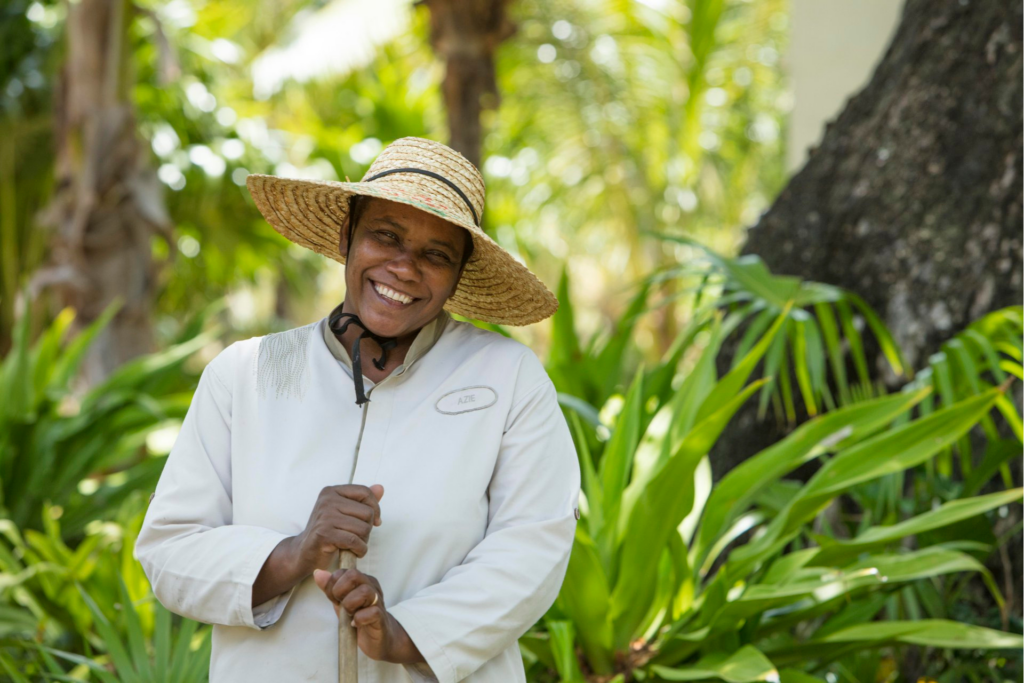
Image Credit: All rights reserved – Beachcomber Resorts & Hotels or © Beachcomber Resorts & Hotels.
When Stéphane became Group CEO in July 2023, he placed a people-driven philosophy, rooted in Mauritius’ tradition of warm and generous hospitality, at the centre of Beachcomber’s strategy.
The challenge, he says, is ensuring that philosophy translates into the everyday workings of the business.
“As CEO, my role is to set the vision and make sure there’s coherence across the business,” Stéphane says. “Our values need to carry through into how we lead people, make decisions and operate day to day.”
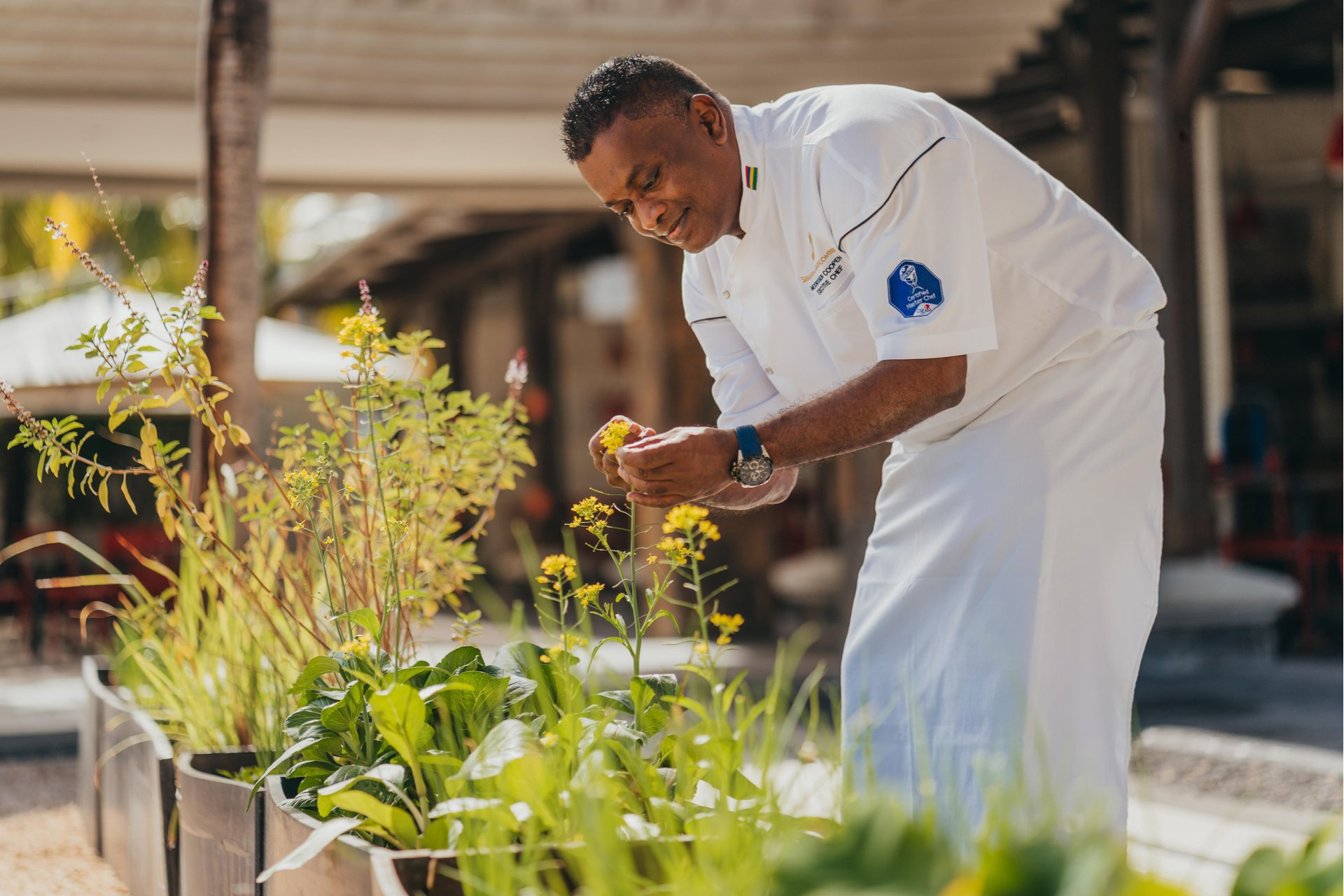
That places particular importance on how Beachcomber develops its Artisans. More than 99 per cent are Mauritian, and workplace learning, leadership programs and the Beachcomber Academy support them to build long-term careers and progress through the organisation.
Stéphane sees that progression as one of hospitality’s greatest strengths.
“What drives me is seeing people evolve,” he says. “A defining strength of our industry lies in its ability to foster progression from entry-level roles to senior leadership. This is also what sustainability means to us. It’s about creating opportunities and supporting people to grow.”
The same philosophy extends beyond Beachcomber’s workforce. For more than 25 years, Fondation Espoir Développement Beachcomber has supported education, employability and social inclusion initiatives across Mauritius.
The individual programs matter, but the broader leadership lesson is in the consistency between them. Beachcomber’s approach to its people and communities reflects the same belief Stéphane brings to decisions about the future of the business: that the organisation’s long-term success is closely connected to that of Mauritius and its people.
Good intentions aren’t a management system
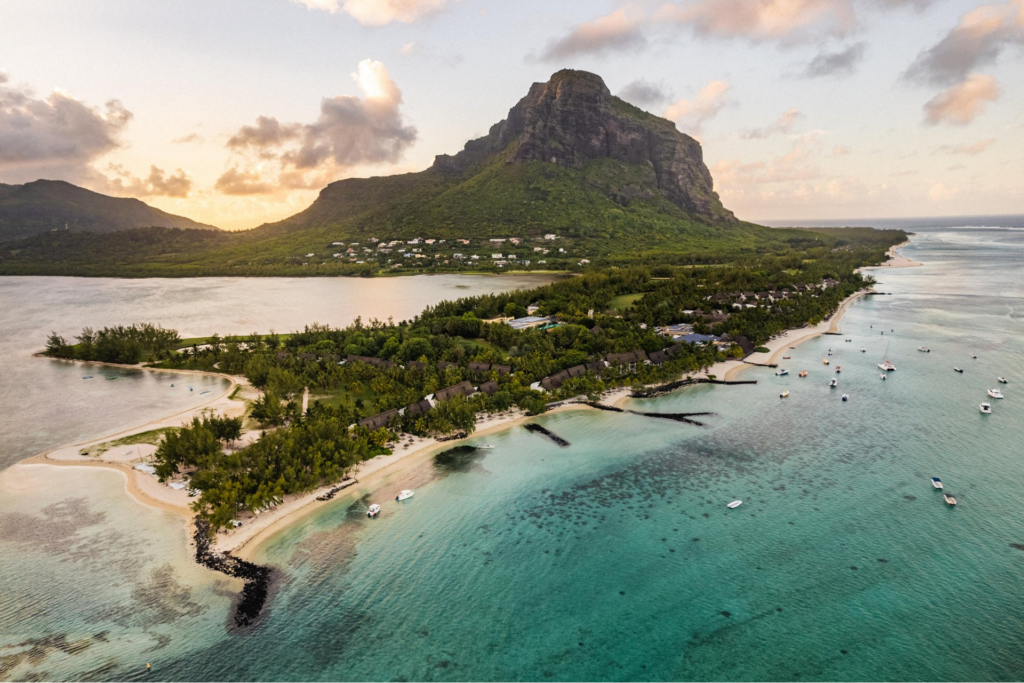
Image Credit: All rights reserved – Beachcomber Resorts & Hotels or © Beachcomber Resorts & Hotels.
Beachcomber’s commitment to sustainability is most clearly reflected by the fact that since 2024, all eight Beachcomber resorts in Mauritius and the Group’s Head Office have held EarthCheck Gold Certification, a first for the country. Gold Certification recognises organisations that have maintained independently verified sustainability performance for at least five consecutive years.
Stéphane regards EarthCheck Gold Certification as one of Beachcomber’s most significant sustainability achievements, but its value lies in more than the credential itself.
“Progressing from Silver to Gold isn’t about ticking boxes,” he says. “It’s about keeping those boxes ticked, continuing to do more and embedding those practices into our corporate culture. That’s one of our greatest sources of pride.”
In fact, Beachcomber’s commitment to sustainability began long before it adopted the systems now used to measure and report its performance.
The Group had already invested in areas including wastewater treatment, community development, youth employment and water resilience because it believed those actions were right for Mauritius and important to the business’s future.
“I’m proud that we’ve often focused more on taking action than talking about it, because that’s where credibility begins,” he says. “The essential thing is to do the work, then measure it properly and communicate it responsibly.”
For a CEO, the challenge is turning that conviction into something an organisation can apply consistently, through governance, reliable evidence, clear accountability and practices that can be repeated, measured and improved over time.
Beachcomber has brought its work together through Be Responsible, the Group’s sustainability framework. EarthCheck has helped add structure and discipline to that commitment through benchmarking, measurement and independent verification.
Stéphane recalls a long-standing EarthCheck auditor telling him that, over the years, he had seen Beachcomber’s Green Team members and wider workforce change their habits.
“For me, this is something extraordinary,” Stéphane says. “It’s not just about writing values on the wall. It’s about how we live them, how we show respect for each other and for the environment.”
As Beachcomber’s approach has matured, EarthCheck’s role has also evolved beyond certification to include advisory support. The evidence and discipline created through certification are now helping leadership connect sustainability more clearly with wider decisions about business planning, risk and long-term investment.
That work also supported the publication of Beachcomber’s Be Responsible report, bringing its work into a more formal and accountable structure.
EarthCheck CEO and Founder Stewart Moore says Beachcomber’s approach shows what becomes possible when formal systems reinforce a clear leadership philosophy.
“Beachcomber has taken its responsibility to Mauritius, its people and its natural environment seriously for decades,” he says.
“What stands out is the way that commitment has been carried into the culture of the business. EarthCheck has helped Beachcomber give that work greater structure, evidence and accountability, but the foundation is the leadership philosophy behind it: do the work, measure it honestly and keep improving.”
A responsibility beyond Beachcomber

Image Credit: All rights reserved – Beachcomber Resorts & Hotels or © Beachcomber Resorts & Hotels.
Stéphane is well aware that the responsibilities of leadership don’t end at the boundaries of Beachcomber’s resorts.
As President of the Association of Hoteliers and Restaurants in Mauritius, he also thinks about the resilience of the wider destination and the issues that no individual hotel operator can solve alone, with one concern sitting particularly high on his list.
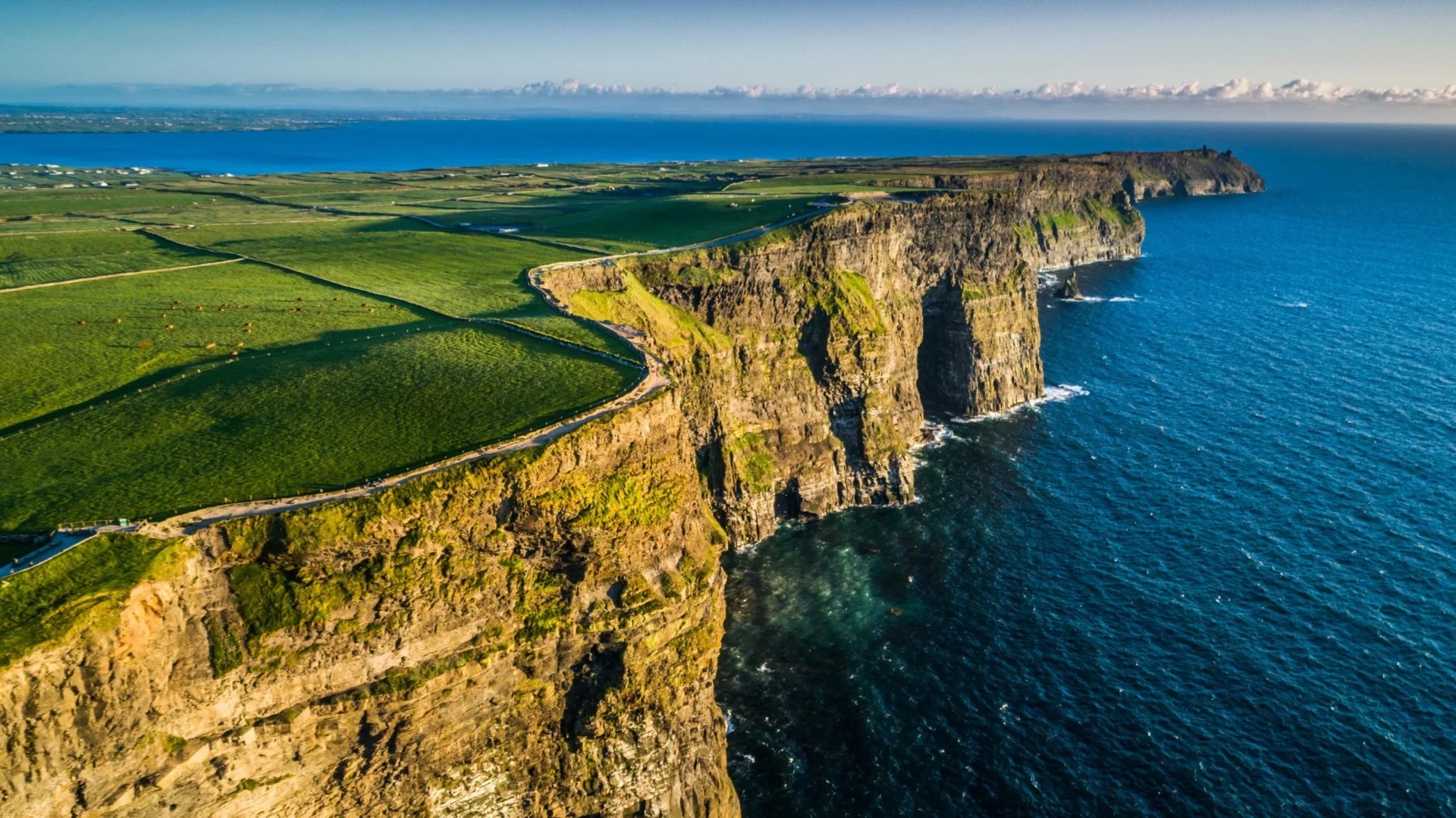
“Our island and our tourism industry depend on the health of our beaches,” he says. “Beach erosion is one of the issues I worry about most.”
The issue is environmental, economic and social. Mauritius’ beaches support tourism, but they are also public places where people gather, spend time with their families and participate in island life.
Beachcomber contributes to marine research and restoration, but Stéphane is clear that action needs to be grounded in evidence.
“Through our EarthCheck certification, we’ve seen how essential good data is,” he says. “Reliable measurement gives us the evidence we need to understand an issue properly and take meaningful action.”
But Stéphane is also clear where the limits of corporate action lie.
“We cannot resolve major issues such as coastal erosion and waste management through isolated local action,” he says. “They require a coordinated response at the national level.”
For CEOs, that distinction matters. Leadership means taking responsibility for what an organisation can influence directly, while recognising when an issue demands collaboration across businesses, industry and government.
The lesson for other CEOs

Image Credit: All rights reserved – Beachcomber Resorts & Hotels or © Beachcomber Resorts & Hotels.
Beachcomber’s experience offers a useful lesson for CEOs considering how to strengthen or formalise their organisation’s approach to sustainability.
Leadership begins with deciding what the organisation is responsible for and what principles should guide its decisions. But conviction alone isn’t enough; those principles need to survive contact with the day-to-day reality of running a business.
“As a CEO, I believe it’s important to lead by example and ensure our actions reflect the values we talk about,” Stéphane says.
That means creating enough coherence that people across the organisation understand those values and can apply them. It means translating conviction into governance and repeatable management practices. It means measuring performance reliably, and being willing to have that performance independently verified.
And increasingly, it means using that evidence to inform how leaders assess risk, prioritise investment and plan for the long term.
The same evidence can also help CEOs look beyond their own organisations. In a sector like tourism, the future of an individual business is inseparable from the health and resilience of the destination around it. Some of the most consequential challenges therefore demand leadership that extends beyond what any one company can achieve.
Stéphane’s focus is now on continuing Beachcomber’s progress through EarthCheck’s certification program, while ensuring the practices behind that certification remain firmly embedded across the Group.
The objective isn’t another credential for its own sake. It’s to keep improving, strengthen the business and fulfil a responsibility he sees as inseparable from leading a Mauritian company.
“I believe we have a duty to respect both nature and the communities around us,” he says. “What drives me is the opportunity to work together, develop people and keep improving, for Beachcomber, for Mauritius and for the generations that follow.”
EarthCheck helps organisations move from good intentions to credible, measurable performance. Through certification, benchmarking and specialist advisory support, we help businesses identify what matters most, strengthen governance, respond to emerging risks and embed sustainability more deeply in how they operate.