
Written by: Dr Natasha Montesalvo, EarthCheck’s Principal Consultant for Destinations, Strategy & Insights
Since its origins in 1912, when medals were awarded for literature, sculpture, and architecture, the Olympiad has evolved from competition to showcase. The program is designed to embody the Olympic ideals of human excellence and cultural exchange. Live sites, signage and auxiliary events all play a role in the Cultural Olympiad. Alignment with the values and personality of the host community is considered a critical success factor and the blend of sport, culture and education should be seen as dimensions of the very same principle.
With regards to sustainability, the IOC takes a proactive approach to ensuring all aspects of organising the Olympic Games has sustainability considered. Leaving a sustainable and positive legacy for the host city and country is a primary, achievable objective for all organisers of the Olympic Games. In 2020, the IOC announced that the Olympic Games and Olympic Winter Games will be “climate positive” from 2030 onwards. In addition, the IOC committed to creating an “Olympic Forest”, which would contribute to the UN-backed Great Green Wall project in Africa and help the IOC move towards becoming a climate-positive organisation. Only three years later, in 2023, all references to “climate positive” were replaced with weaker terminology, with the IOC emphasising that the change in language does not change its ambition to address the climate crisis.
As Brisbane positions itself for “Games that ensure Organising Committees for the Olympic Games (OCOG’s) climate commitment,” we must ask: is it possible for a major event that flies in athletes and artists, builds temporary stages, and drives mass tourism to ever be sustainable?
What’s been done before?
The International Olympic Committee has promised all Games will be climate positive by 2030. Sounds impressive, however such commitments often mask uncomfortable truths about carbon offsetting schemes, vague definitions of “legacy,” and a lack of accountability once the flame is extinguished. As EU rules which empower consumers for the green transition enter into force, how does this shape the IOC’s approach and Brisbane’s requirements on transparent, data backed claims?
London 2012 was hailed for its inclusivity, yet a decade on, critics question whether the cultural gains truly endured. Official Legacy reporting highlights that 95% of London’s permanent venues remain operational and that the event revitalised over 550 acres of industrial area. Upon further inspection, many communities highlight the lack of affordable housing, with many residents being priced out of their areas as a result of the revitalisation.
Alongside the London 2012 Festival, the Cultural Olympiad signalled to the world that London is a cultural powerhouse with over 5,000 free cultural events stretching across all parts of London (all 33 boroughs) and across all genres of music, dance, visual arts, theatre and fashion. However, lessons were learnt as not all programming was delivered by local talent, relying on overseas creatives to deliver the festival outputs.
Paris 2024 took on the task of creating and trialling the new model of Olympic and Paralympic Game hosting that aimed to preserve the magic and values of the games while also creating a sustainable event. The goal was to eliminate the risk of the “white elephant” infrastructure, that is not used by community post Games, and guarantee neutral environmental impact on the host city.
Paris workshopped the idea of a circular economy model opposed to the traditional model which resembled more of a linear, wasteful model.
In post-event research, several interviewees stated that the image of Paris during the Games was a highly curated one. Streets were cleaned or modified to present an idealistic view of the city, like it was a movie set rather than the normal chaotic streets of Paris.
However, some noted that while the city was cleaner and more polished, the underlying core values of the aesthetic beauty and cultural richness still shone through. In the end, these realities existed alongside an exaggerated portrayal.
Lessons learned highlight the importance of balancing the realities of the host City, alongside presentation of a strong and consistent brand identity.
Los Angeles 2028 already faces cultural tensions, with arts groups warning that local expression risks being swallowed by a “safe,” big-ticket spectacle.
These Olympic histories point to the challenging reality of such impactful events, that legacy is rarely guaranteed. Instead of asking what Brisbane can do, should we be asking what Brisbane is willing to sacrifice to achieve sustainable outcomes for our communities, our fragile eco-system, and our economy?
Brisbane’s focus
The Brisbane bid emphasised the ability to reuse, recycle, and to apply a modest budget. This sounds admirable, perhaps even revolutionary in an era of Olympic extravagance. But how is that plan tracking now that we are less than seven years out? The initial $4.9 billion bid budget for the Brisbane 2032 Olympics has seen cost blowouts, with current estimates for infrastructure alone reaching $7.1 billion. This leads to the question: What will be the first programs to shrink if/when budgets tighten and scope narrows? Will it be the cultural initiatives, sustainability commitments and community-building projects that are arguably the most likely to leave the strongest legacy for Australia?
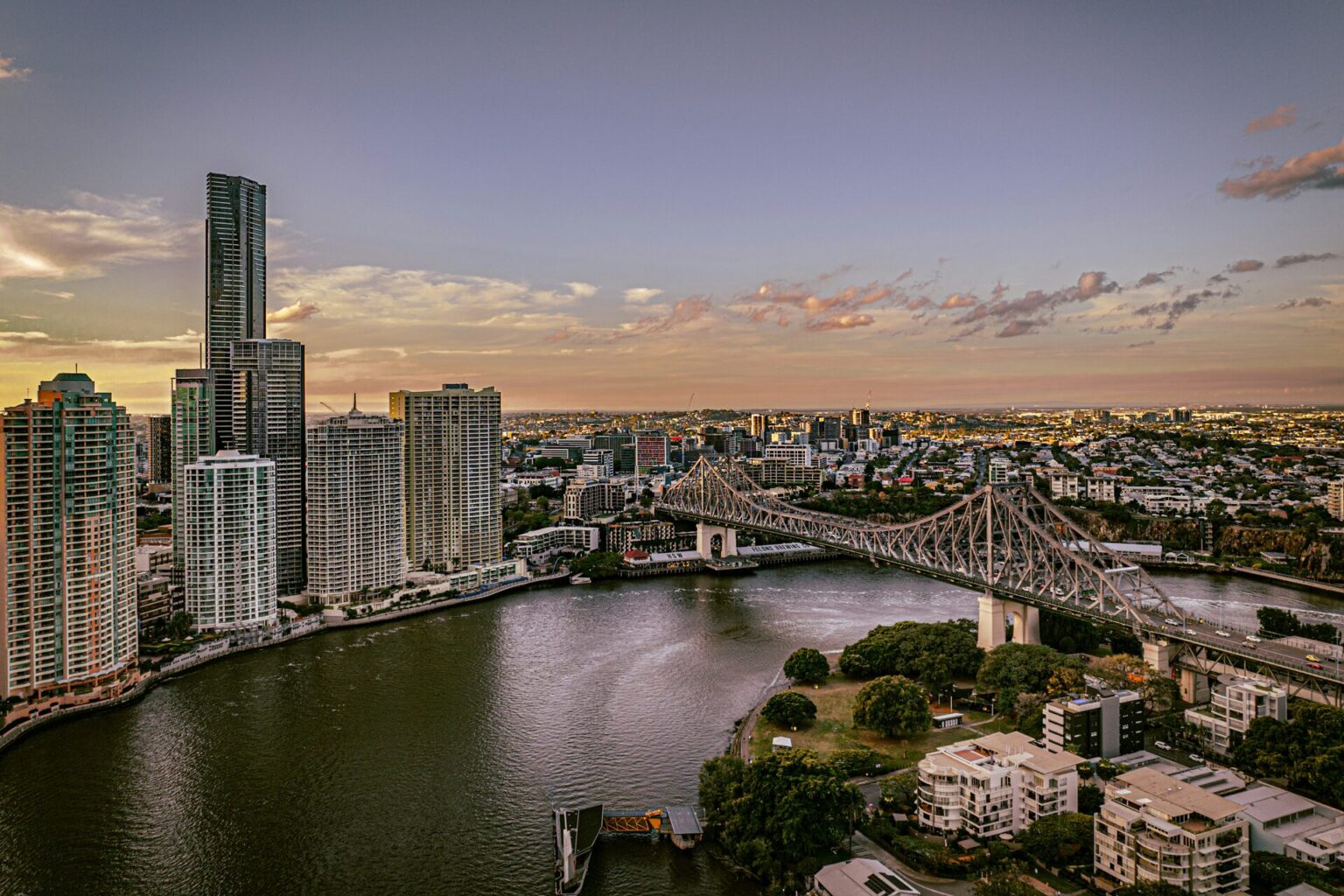
Brisbane and Queensland have developed a brand identity rooted in warmth, lifestyle, and natural abundance: a subtropical capital built on river life, framed by world-heritage rainforests and reef, and a culture of outdoor adventure. It is a place that prides itself on being both laid-back and globally ambitious, with a strong thread of Indigenous heritage, creativity, and community resilience running through its story. The Cultural Olympiad offers a rare chance to amplify this identity on the world stage, in a way that resists cliches and commodification. By delivering through First Nations knowledge systems and celebrating parks, coastlines, and creative industries, Brisbane can align its cultural programming with a sustainability agenda that leaves a legacy of actions and outcomes that communities can benefit from for decades. Legacy could mean new cultural infrastructure powered by renewables, long-term partnerships with regional artists, and cultural tourism that strengthens rather than erodes ecosystems. Done well, the Olympiad becomes not just a festival of art, but a living articulation of how Queensland delivery healthy places, healthy people, and sustainable futures that create a sense of joy, connection and timelessness.
What does success look like?
The Cultural Olympiad should not be judged by the number of auxiliary events, the fireworks, drone shows, or ticket sales. It should be judged by what remains: healthy parks restored for community use, communities empowered to actively engage in creative spaces, art created by local talent, sustainable practices normalised across businesses, and cultural identities being preserved. In short, the contribution to healthy places, people and sustainable futures.
The 2032 Olympic and Paralympic Games will pass. The flame will be extinguished. The question is whether Brisbane will be remembered for pioneering a truly sustainable cultural model or for simply staging a mega-event.
Is Brisbane prepared to choose courage over comfort? Or will sustainability remain the most performative act of them all?